
Introduction
Energy is a difficult concept to understand because it is not a concrete object that can be seen or touched. Energy is a property of an object. It is not visible but its evidence can be detected.
The best way to understand energy is to first understand what it does. Energy is needed for work to take place, like making the engine to function and letting the conveyor move things from point A to point B. This is the reason why energy is often defined as “ability to do work”.
In technical terms, work is defined as force applied through displacement.
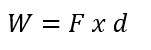
But while energy is oftentimes understood as connected to perform work, it is not always true. A bar of chocolate, for example, has energy in it. But does it have the ability to do work? The answer may be “yes” under certain and restricted circumstances. Given these properties, energy is broadly defined as the “ability to transform, organize, or change a system that contains matter”.
This module reviews some of the fundamental scientific concepts about the various forms of energy and how energy is measured and quantified. The forms of energy covered are chemical energy, thermal energy, mechanical energy, and electrical energy, all of whom are the main form of energy used in industries and buildings.
Learning Objectives
Upon completion of the module, participants are able to:
- define energy in its various forms and energy related properties;
- use the correct units for energy and power, and convert from one unit to another as needed;
- determine the properties of steam and moist air;
- describe the mechanisms by which heat is transferred; and
- explain the effect of insulation on heat transfer and the means by which radiative heat transfer is controlled.